How To Build A Strong Business Reputation
Think of your business reputation as your digital bank account. Every interaction, every sale, and every social media post is either a deposit or a withdrawal. If you want to retire with a fortune of trust and loyalty, you need to be strategic about your deposits. In an era where a single tweet can reach millions in seconds, managing how the world perceives your brand is no longer just a marketing task; it is a fundamental survival skill.
What Exactly Is A Business Reputation?
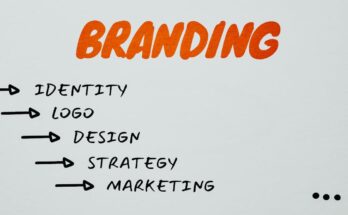
It is easy to confuse reputation with brand identity. While your brand is what you say about yourself, your reputation is what everyone else says about you when you are not in the room. It is the collective sum of perceptions, experiences, and emotions tied to your business name. Think of it like a reputation in a small town; once you earn a name for being reliable, people line up at your door. If you earn a reputation for cutting corners, the town gossips will make sure your business stays empty.
The Foundation Of Consistency
Consistency is the heartbeat of a strong reputation. If your coffee shop serves a world class latte on Monday but a burnt, lukewarm cup on Tuesday, you have broken the contract with your customer. Predictability breeds trust. When clients know exactly what to expect, they feel safe giving you their money. This does not mean you cannot change, but it does mean your core values and quality standards must remain as steady as a lighthouse in a storm.
Quality As A Non Negotiable Standard
There is no shortcut to quality. You can spend thousands on fancy ads, but if your product falls apart after two uses, your reputation will crumble faster than a cheap chair. Excellence is a habit, not an accident. By obsessing over the details, you show your customers that you respect their time and their resources. When you consistently deliver high quality, you turn one time buyers into lifelong fans who effectively become your free marketing department.
Elevating Your Customer Service Game
Customer service is often where reputations are won or lost. Most companies are fine until something goes wrong. How you handle a mistake defines your legacy. If a client has a problem and you respond with empathy and a real solution rather than a robotic script, you transform a negative experience into a loyalty building moment. People do not expect perfection; they expect accountability. When you take ownership of your errors, you actually build more trust than if you had never made a mistake at all.
The Power Of Radical Transparency
In the age of information, hiding things is a losing game. Consumers today have a sixth sense for dishonesty. Radical transparency means being open about your processes, your pricing, and even your setbacks. If you have a supply chain issue, tell your customers before they realize their order is delayed. By being honest upfront, you remove the element of surprise and give your customers the chance to work with you through the challenge.
Mastering Your Digital Footprint
Your website is your digital storefront, but your social media profiles and third party review sites are your digital living room. You need to be active where your customers are. Do not just post promotional content; engage in conversations. If someone leaves a comment, reply to it. If someone writes a review, acknowledge it. Your digital footprint should show that there are real, caring humans behind your logo.
Leveraging Social Proof And Testimonials
Human beings are social creatures; we look to others to guide our decisions. This is why social proof is like gold. Encourage your happy customers to share their stories. Whether it is a video testimonial on your homepage or a simple review on a platform like Google, these signals tell prospects that they are making the right choice by choosing you. It is the social equivalent of a crowd gathering around a great street performer; if others are watching, it must be good.
Why Ethical Practices Drive Long Term Success
At the end of the day, people want to support businesses that stand for something. Whether it is sustainable sourcing, fair wages, or giving back to the community, your ethical footprint matters. A business that operates with a moral compass is much harder to bring down. Ethics act as an insurance policy for your reputation because they ground your actions in genuine values rather than just profit motives.
Handling The Storm: Crisis Management Protocols
Even the best businesses hit turbulence. Whether it is a product recall or a viral misunderstanding, you need a plan. The golden rule of crisis management is to be fast and be human. Delaying a response looks like you have something to hide. Acknowledge the issue, explain what you are doing to fix it, and keep stakeholders updated. If you disappear when things get tough, your reputation will evaporate.
Your Employees As Brand Ambassadors
Your employees are the first line of defense for your reputation. If they feel valued and respected, they will go above and beyond to delight your customers. Conversely, if your internal culture is toxic, it will inevitably leak out to the public. Treat your staff well, and they will become the loudest advocates for your mission. Happy employees create happy customers, which creates a bulletproof reputation.
Building Roots Through Community Engagement
Do not just exist in a market; become a part of the community. Sponsor local events, participate in charity drives, or host workshops. When a business integrates itself into the social fabric of its environment, it becomes more than just a place to buy things; it becomes a neighbor. Neighbors look out for each other, and when your business is a neighbor, the community will stand by you during lean times.
Staying Relevant Through Constant Innovation
A static business is a dying business. To maintain a strong reputation, you must show that you are constantly evolving and keeping up with the changing needs of your audience. This does not mean jumping on every trend, but it does mean iterating on your product and listening to feedback to make things better. Innovation proves that you care about the future of your customers as much as your own.
Measuring Your Reputation Health
You cannot manage what you do not measure. Use tools to track sentiment analysis, monitor brand mentions, and keep a pulse on customer satisfaction scores. Look for patterns in the feedback. Are you seeing the same complaints? That is your roadmap for improvement. Are you seeing the same praises? Double down on those strengths.
Conclusion: The Never Ending Journey
Building a strong business reputation is a marathon, not a sprint. It is a slow, steady accumulation of trust. There is no shortcut, and there is no finish line. Every single day, you are presented with choices that will either reinforce your integrity or chip away at it. By prioritizing honesty, quality, and community, you create a brand that people do not just use but actually champion. Your reputation is the story people tell about you when you are not in the room; make sure it is a story worth telling.
Frequently Asked Questions
1. How long does it take to build a solid business reputation?
Building a reputation is cumulative. While you can start building trust from day one, it typically takes years of consistent, high quality service to establish a truly indestructible reputation in your industry.
2. What is the most important factor in maintaining a positive reputation?
Consistency is king. If you provide a reliable experience, day in and day out, your customers will learn to trust you, and that trust is the foundation of everything else.
3. Should I respond to negative reviews?
Absolutely. Responding to negative reviews with professionalism and empathy shows potential customers that you care about your mistakes and are willing to make things right. Ignoring them often looks worse than the review itself.
4. Can a bad reputation be turned around?
Yes, it is possible, but it requires radical change. You must acknowledge the past, communicate clearly about the changes you are implementing, and then prove over time that your new behaviors are genuine.
5. How do employees influence my company reputation?
Your employees are the face of your company. Their interactions with customers and their public comments about working for you directly shape the perception of your brand in the eyes of the public.